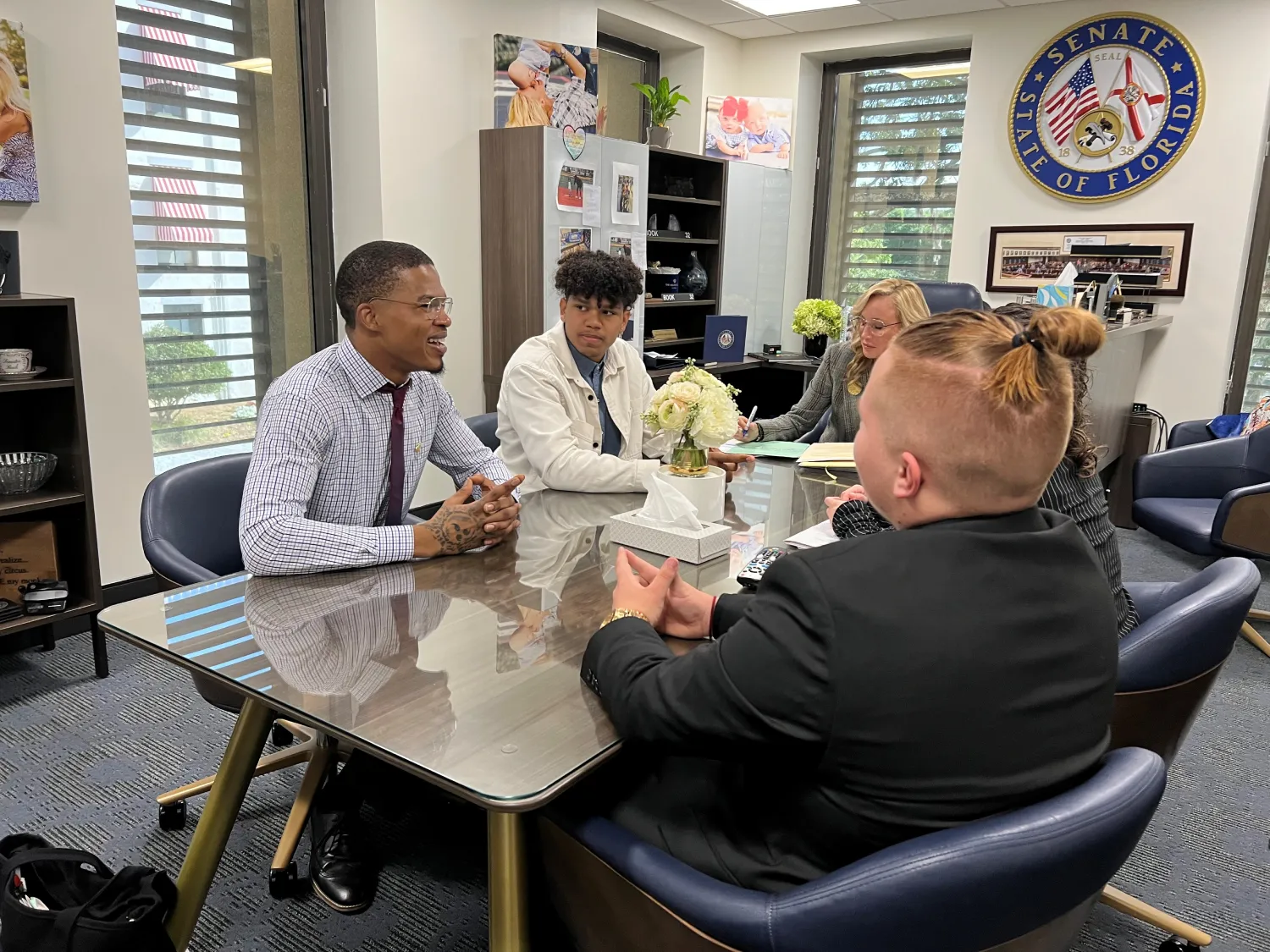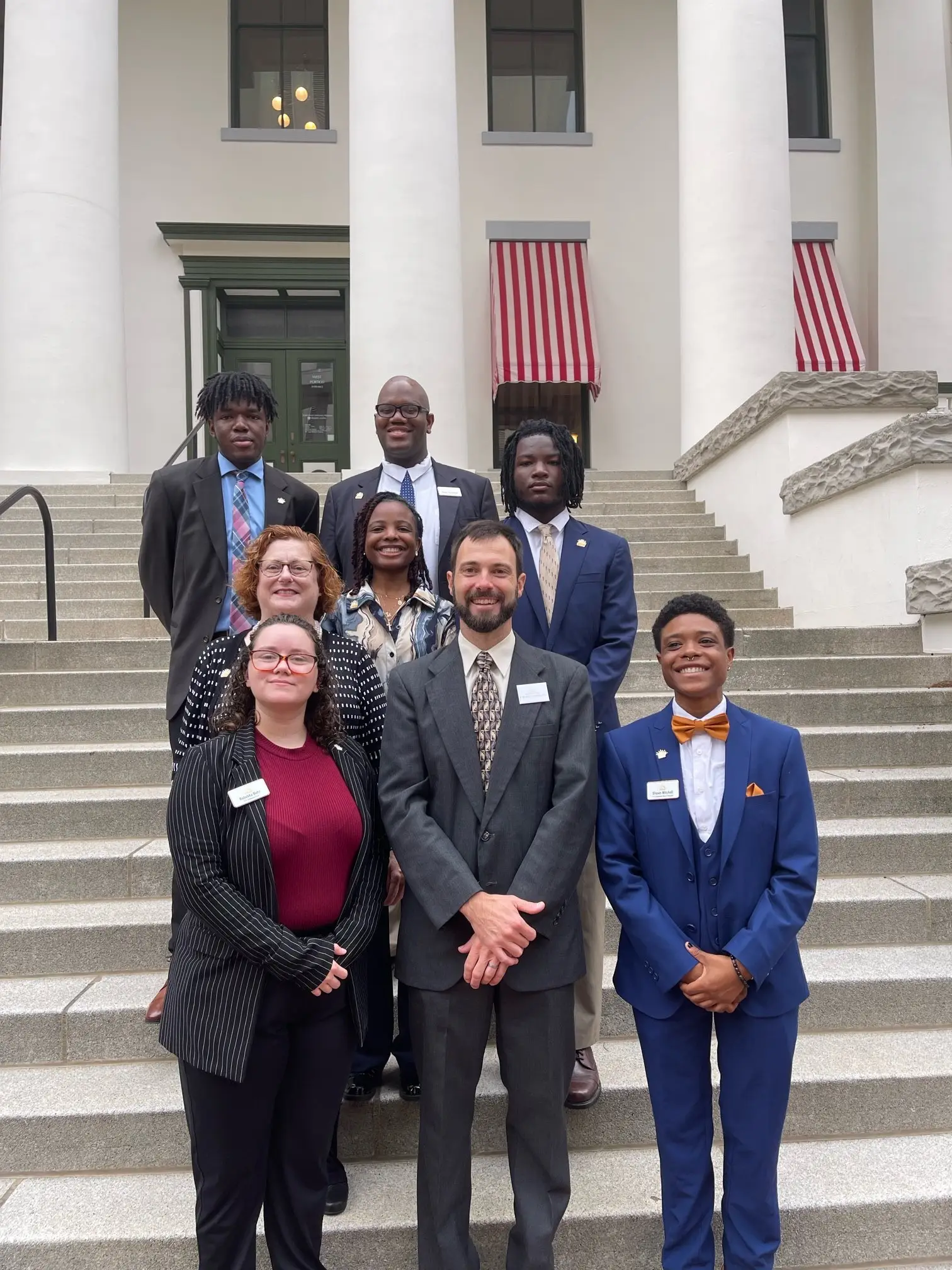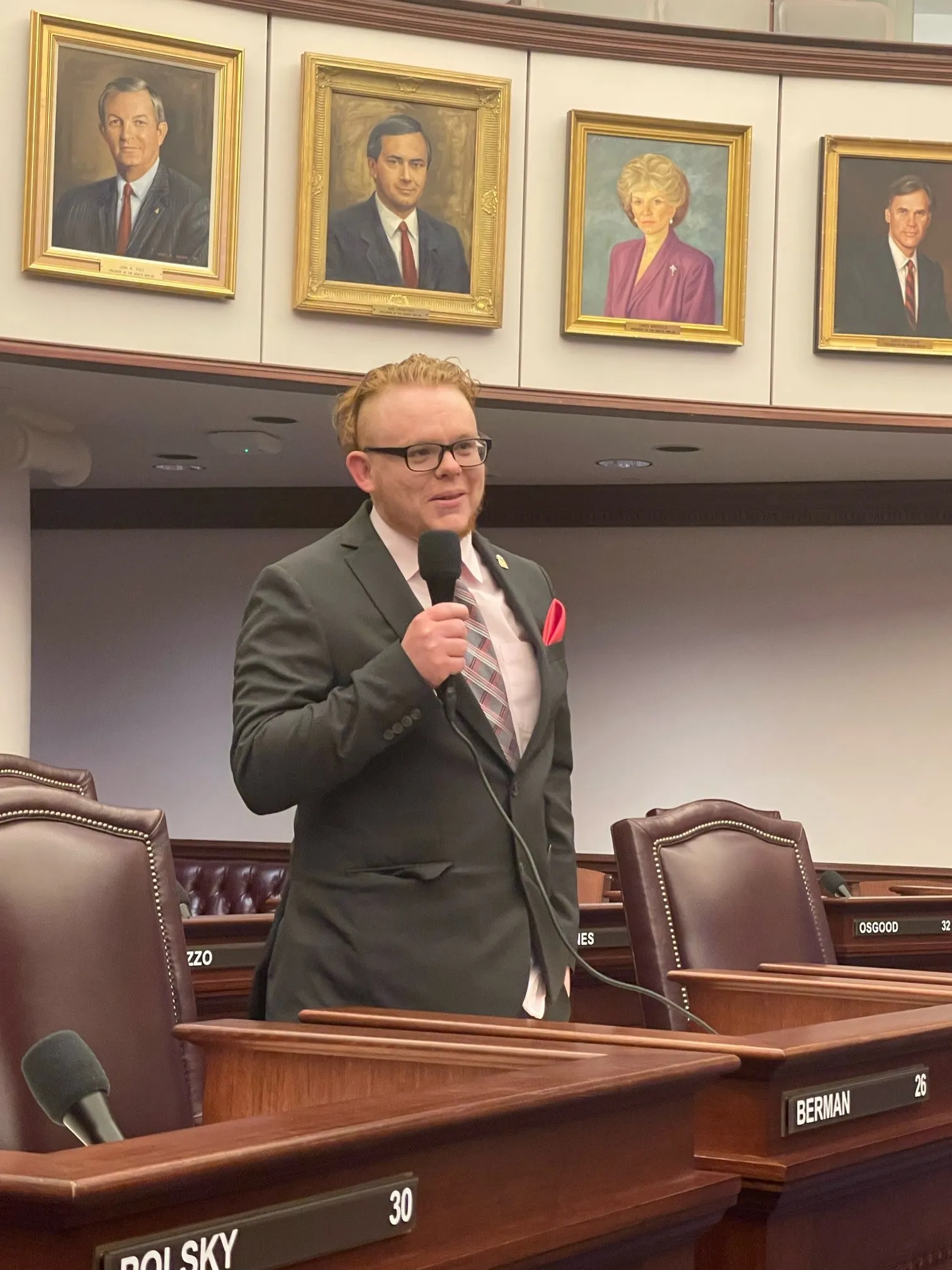











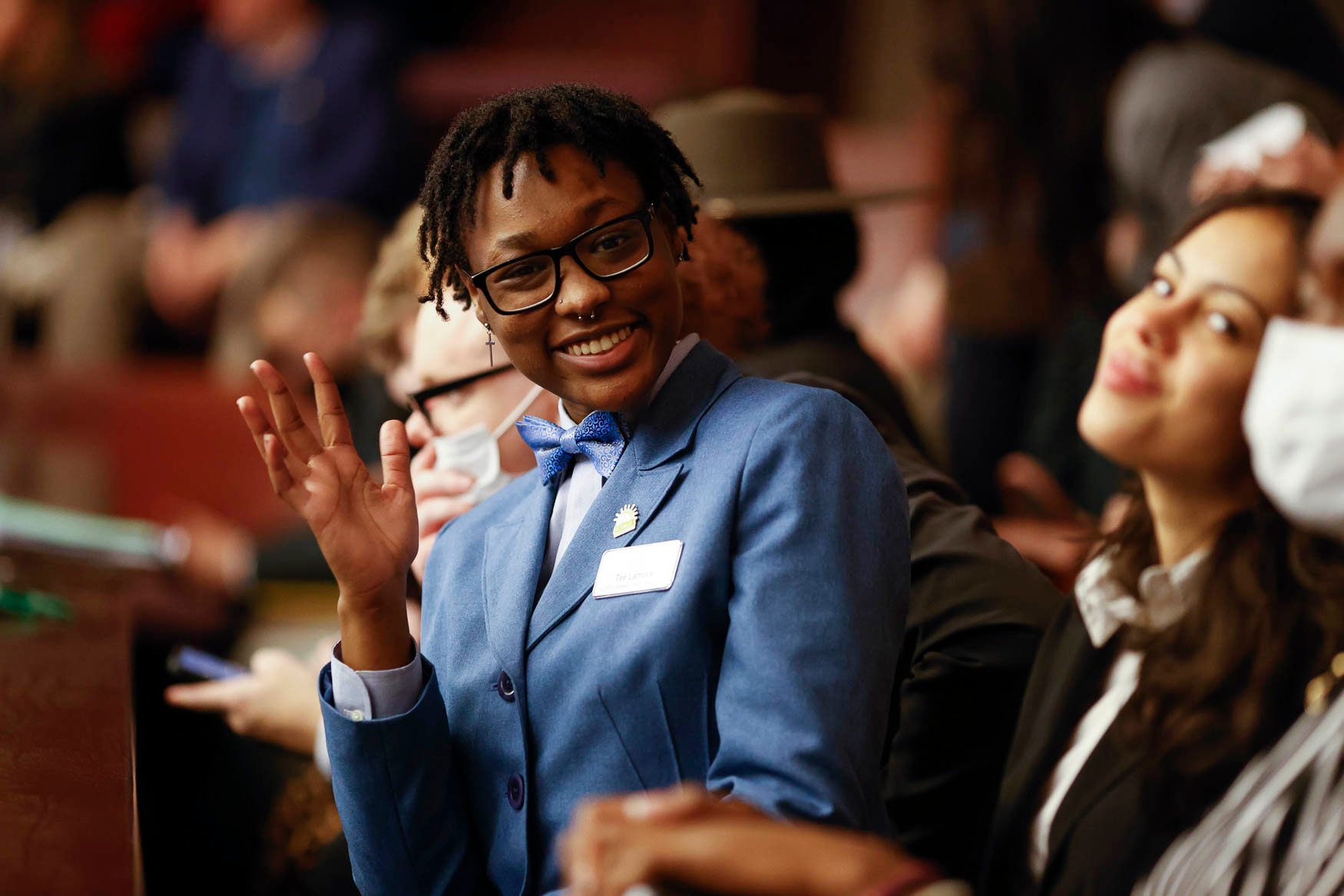
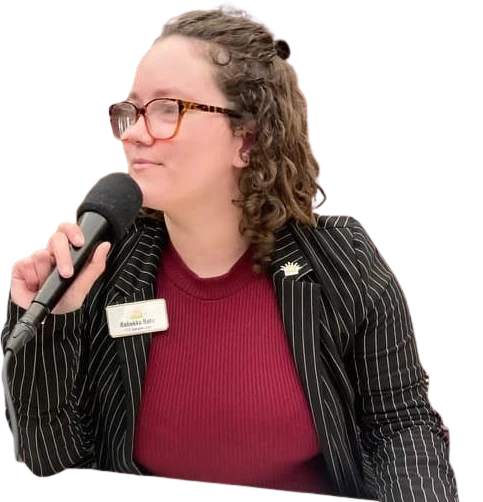

In the past three years I have spoken at many events. Every time I give a speech or take part in a panel it gives me great pleasure to know I am advocating on behalf of foster youth everywhere, but no other panel has affected me on such an emotional level than the one I sat on last week at the Pathways to Independence Summit. This panel was titled "Call for Help -- Just Not 911." This panel was based on developing improved methods of handling troubled youth to reduce the amount of law enforcement contacts made by group homes and foster homes related to issues of fighting, arguing, or when youth take a walk to cool off without being provided permission to do so. The goal was finding other means to deal with issues of this nature that would offer more support to the youth.
I sat on this panel with three other foster youth and three experts on the issues. We each spoke about our time in care and how calling 911 has affected us as young adults. This panel touched me because I know how it feels to have law enforcement called on me; I know how it feels for someone to tell you who you are, when that's not you at all. You see I have two juvenile battery charges from my time in foster care that occurred during 2005 and 2006, almost 6 years ago and I am still dealing with them today. I know as you read this you are thinking "There juvenile charges, how can they still affect you?" I could not join the military, I could not live in the University of South Florida dorms, and I may not be able to obtain employment that requires the supervision of children, which is the type of job I want all because of my charges. Emotionally it's worse, I have to go in an interview every time and explain how the person they read about in the arrest report is not me. I have to look people in the face while they ask me "Why am I so violent." I have to pray and hope that whoever is reading about me and my charges will overlook them and give me a chance.
Sitting on this panel and explaining to the audience how important it is to not always contact law enforcement was important to me. The panel was all of 60 minutes, and in those 60 minutes I grew. I grew to realize an arrest report Does Not define me, a charge Does Not define me, What Does define me, is what I do every day, which is work to help to change the lives of all foster youth.
RSS Feed